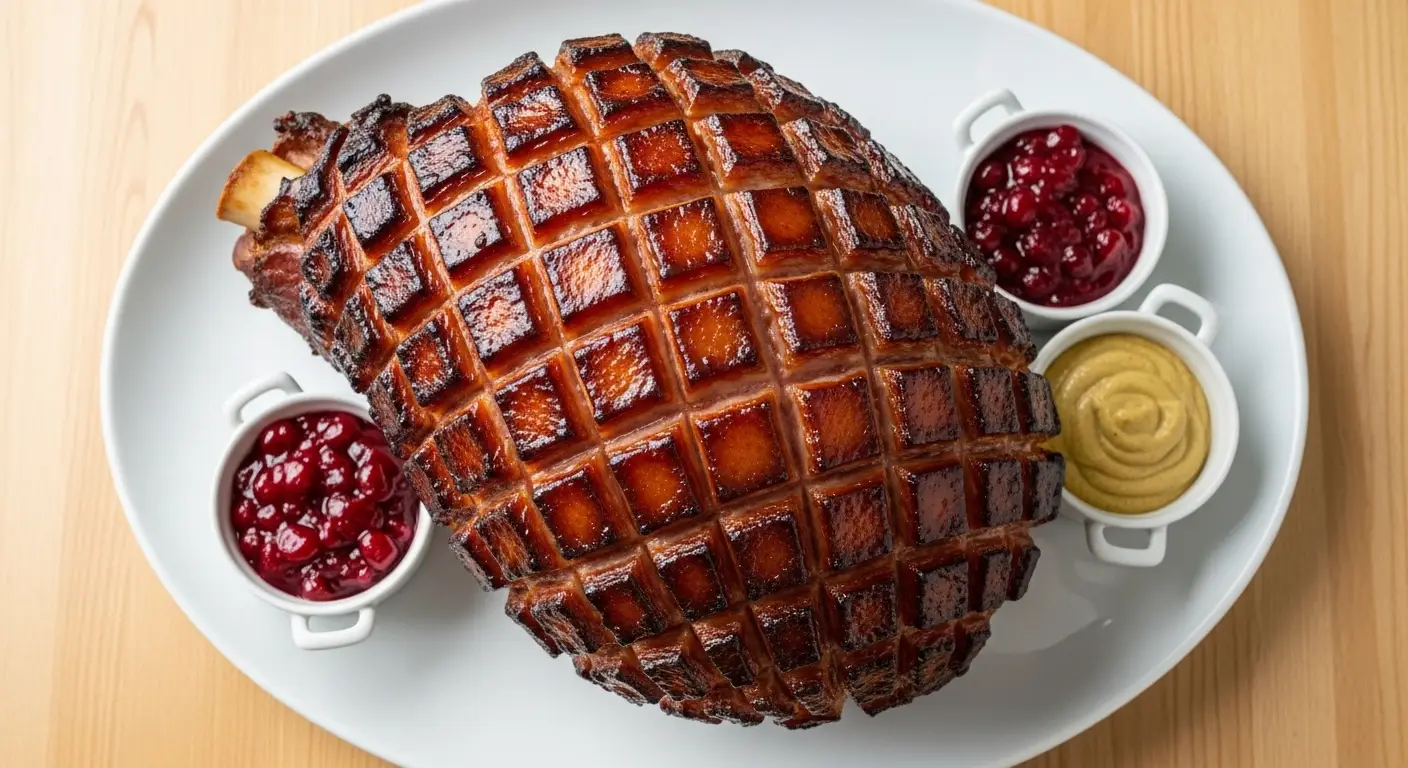
A holiday ham isn't just a meal; it's the warm, welcoming centerpiece that brings families together, a beacon of tradition and deliciousness. Whether it's Easter, Thanksgiving, or Christmas, the sight of a beautifully glazed, perfectly cooked ham instantly elevates any festive table. If you've always dreamed of serving a ham that's not only moist and tender on the inside but boasts a sticky, caramelized crust on the outside, you've come to the right place. This comprehensive guide will walk you through `how to cook a ham` that will impress everyone, from choosing the right cut to perfecting that irresistible glaze and achieving a flawless finish. Forget dry, overcooked ham – your journey to holiday culinary triumph starts here!
The Foundation: Choosing and Preparing Your Ham
The secret to a stress-free holiday ham often begins with a smart choice at the grocery store. For most home cooks aiming for a show-stopping centerpiece, a fully cooked whole ham is the ideal starting point. This might seem counterintuitive when discussing `how to cook a ham`, but most hams undergo a curing process that essentially pre-cooks them, making them food-safe and ready for a simple reheating and glazing process at home. This strategic choice frees you to focus entirely on enhancing its flavor and texture, rather than worrying about raw meat safety.
When selecting your ham, you’ll typically find both bone-in and boneless options. A
bone-in ham often offers a richer flavor and can look more impressive on the platter, though it requires a bit more skill to carve.
Boneless hams, on the other hand, are incredibly convenient for slicing and serving, making them a popular choice for busy hosts. Whichever you choose, ensure it's labeled "fully cooked."
Once home, prepare your ham for its transformation. The first crucial step is scoring the surface. Using a sharp knife, carefully make shallow cuts in a crosshatch or diamond pattern across the fatty exterior, aiming for about ⅛ to ¼ inch deep and ½ inch apart. The purpose of scoring is twofold: it allows your incredible glaze to penetrate deeper into the meat, infusing it with flavor, and helps the fat render more evenly, creating that sought-after crispy, caramelized crust. Place your scored ham in a sturdy roasting pan, ideally on a rack, to allow for even heat circulation.
Crafting the Perfect Glaze: Sweet & Tangy Perfection
While the ham itself is the star, the glaze is undoubtedly its dazzling costume. A well-executed glaze transforms a simple reheated ham into a gourmet experience, adding layers of sweet, tangy, and savory notes that dance on the palate. Our classic recommendation features a delectable mix of brown sugar, Dijon mustard, apple cider, and apple cider vinegar – a harmonious blend where sweetness meets a delightful tang, creating a vibrant counterpoint to the ham's inherent savoriness.
The beauty of this classic brown sugar glaze lies in its ability to caramelize into a glossy, sticky coating that clings to every inch of the ham. Brown sugar provides deep, molasses-rich sweetness and aids in browning. Dijon mustard introduces a pungent, peppery kick that cuts through the sweetness, while apple cider adds a fruity depth and helps thin the glaze. A touch of apple cider vinegar brightens the entire profile with its acidity, ensuring the glaze isn't cloyingly sweet. For an even deeper dive into achieving this perfection, explore
Mastering Ham Glaze: Achieve Sticky, Caramelized Perfection.
Timing is everything when it comes to glaze application. To prevent the sugars from burning and to achieve maximum stickiness, hold off on glazing until the final 45 minutes of the ham's cooking time. To prepare, combine your apple cider, brown sugar, Dijon mustard, and apple cider vinegar in a small saucepan over medium heat. Whisk continuously until the mixture comes to a boil, then reduce the heat to medium-low and let it simmer, stirring occasionally, until the glaze has thickened and reduced by about half, which typically takes 10 to 15 minutes. This reduction process concentrates the flavors and ensures a lusciously thick consistency ready for your ham.
Baking Your Ham to Moist Perfection
The goal when baking a fully cooked ham is to warm it thoroughly without drying it out, while simultaneously developing that irresistible, sticky glaze. Begin by preheating your oven to the recommended temperature (often 325-350°F, depending on specific recipe instructions for your ham's size). Place your scored ham, covered loosely with aluminum foil, into the preheated oven. The foil is your first line of defense against dryness; it creates a steamy environment that gently heats the ham all the way through, preventing the outer layers from drying out before the center is warm. Bake the covered ham for approximately 2 ½ to 3 hours, or until an instant-read thermometer inserted into the thickest part of the ham (avoiding the bone if present) reads at least 125°F. This initial bake ensures the ham is well on its way to being warmed through.
With about 45 minutes remaining in the total cooking time, it's time for the glaze magic to begin. Carefully remove the ham from the oven and discard the foil. generously brush the warm, reduced glaze all over the ham's scored surface. Return the ham, now uncovered, to the oven. From this point, you'll be brushing on more glaze every 15 minutes. This continuous application, combined with the ham's exposure to direct heat, allows the sugars in the glaze to caramelize beautifully, forming a deep golden-brown, glossy, and incredibly flavorful crust. Continue this process until your thermometer inserted into the thickest part of the ham registers
140°F. For a deeper dive into optimizing your baking strategy, consider checking out
How to Cook the Perfect Ham: Moist, Glazed & Delicious Every Time.
Once the ham reaches the target temperature, remove it from the oven. For one final flourish, give it one last generous brush of glaze. Now, the hardest part: resist the urge to carve immediately! Allowing the ham to rest, tented loosely with foil, for at least 15-20 minutes is absolutely crucial. This resting period allows the juices within the ham to redistribute evenly throughout the meat, ensuring every slice is incredibly moist and tender. Skipping this step often results in dry ham, as the juices would simply run out onto the cutting board. After resting, slice your magnificent ham against the grain and serve with pride!
Pro Tips for a Flawless Holiday Ham
Achieving the perfect holiday ham is within reach for any home cook, and a few expert tips can make all the difference, ensuring your efforts result in a truly memorable centerpiece.
*
Don't Overcook! This is perhaps the most critical advice. Since you're starting with a fully cooked ham, your primary goal is gentle reheating, not cooking from scratch. Overcooking is the quickest way to dry out your ham. Stick rigorously to temperature guidelines and use a reliable meat thermometer. An internal temperature of 140°F for a fully cooked ham is your sweet spot for juicy results.
*
Invest in a Good Meat Thermometer: This isn't just a suggestion; it's a necessity. Visual cues or estimated baking times are simply not accurate enough when dealing with large cuts of meat. An instant-read or probe thermometer will ensure you hit the perfect internal temperature every time, guaranteeing food safety and optimal moisture.
*
Room Temperature Start (Optional but Recommended): While not strictly necessary, allowing your ham to sit at room temperature for 1-2 hours before baking can help it cook more evenly. A cold ham placed directly into a hot oven may cook slower on the outside and still be cool in the center.
*
Master the Carve: Once rested, carving properly makes a big impact. If bone-in, locate the bone and slice around it. For either type, always slice against the grain for maximum tenderness. Thinner slices tend to be more enjoyable and stretch further.
*
Save the Bone (If Bone-In): Don't discard the ham bone! It's an incredible base for flavorful broths, soups (like split pea soup), or to season a pot of collard greens.
*
Get Creative with Leftovers: A whole ham often means delicious leftovers. Think ham sandwiches, ham and bean soup, omelets, quiches, or dicing it for casseroles. The possibilities are endless and often as anticipated as the main meal itself.
Baking a holiday ham might seem daunting, but with the right knowledge and techniques, it's an incredibly rewarding experience. By choosing a fully cooked ham, mastering a flavorful glaze, and carefully managing your baking and glazing process, you'll confidently serve a holiday centerpiece that is undeniably moist, exquisitely flavorful, and sure to become a beloved tradition at your table. Get ready to enjoy the compliments and savor every delicious bite!